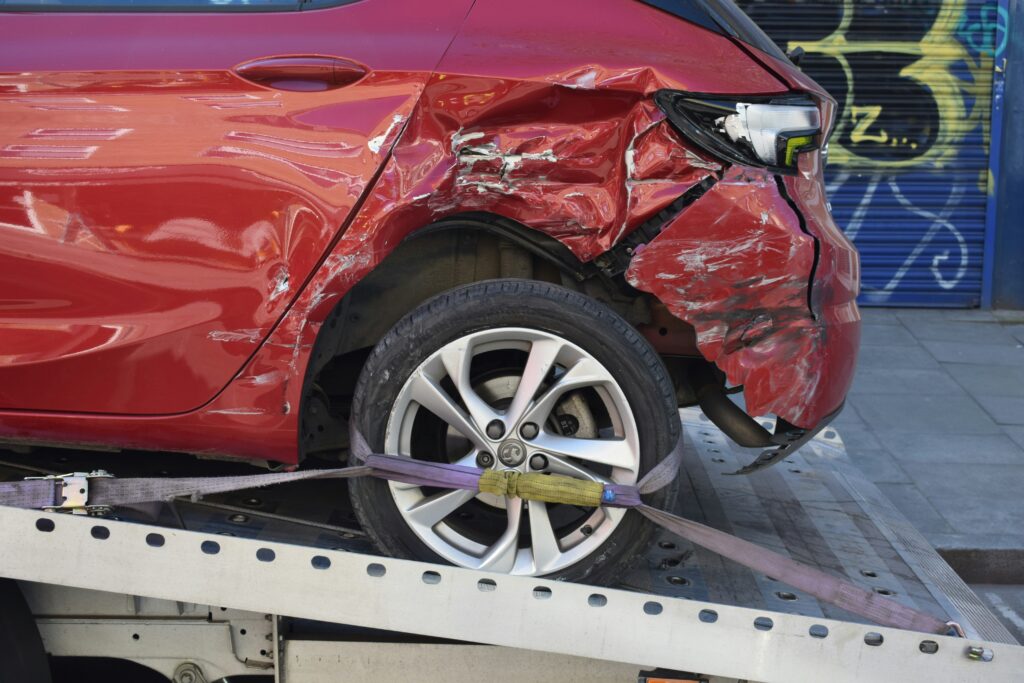
Your car is totaled. The bills are piling up. Here’s exactly who is responsible.
Getting into a car accident is stressful enough. But when you’re standing next to a damaged or totaled vehicle wondering how you’re going to pay for repairs or replace your car entirely, the confusion about who is responsible can feel overwhelming.
New Jersey has specific rules about who pays for property damage after an accident. Understanding those rules before you need them can save you thousands of dollars and weeks of frustration.
Here’s what you need to know.
New Jersey Is a No-Fault State — But Property Damage Works Differently
You may have heard that New Jersey is a no-fault state. That applies to medical bills and personal injury claims. Property damage is different.
When it comes to your vehicle and anything damaged in an accident, New Jersey follows an at-fault system. The driver who caused the accident, through their insurance company, is responsible for paying for the damage.
So Who Actually Pays?
1. The At-Fault Driver’s Insurance
If another driver caused the accident, their property damage liability coverage is responsible for paying for your vehicle. New Jersey only requires drivers to carry a minimum of $5,000 in property damage liability coverage. That amount is extremely low. In most cases, it will not fully cover the cost of repairs or a total loss.
2. Your Own Collision Coverage
You can also go through your own insurance if you have collision coverage. This is often the fastest way to get your car repaired because you are not waiting for the other insurance company to accept fault.
However, there is an important tradeoff:
If you use your own insurance, you will have to pay your deductible upfront. If you go through the at-fault driver’s insurance, you do not pay a deductible. Your insurance company may attempt to recover your deductible from the at-fault driver’s insurance company. This is called subrogation.
But recovery is not guaranteed, and it can take time.
What If the Other Driver Has No Insurance or Not Enough Coverage?
If the at-fault driver does not have property damage coverage, or does not have enough to cover your damages, your primary option is to go through your own collision coverage. This is exactly why having the right coverage on your own policy matters.
What About a Rental Car?
If another driver caused the accident, their insurance company is responsible for providing a rental vehicle while your car is being repaired or until a total loss is resolved. Insurance companies often try to limit how long you can keep the rental or reduce the daily rate. Do not assume their first offer reflects what you are entitled to. If you have rental coverage on your own policy, you can also use that while liability is being sorted out.
What Is My Car Worth If It’s Totaled?
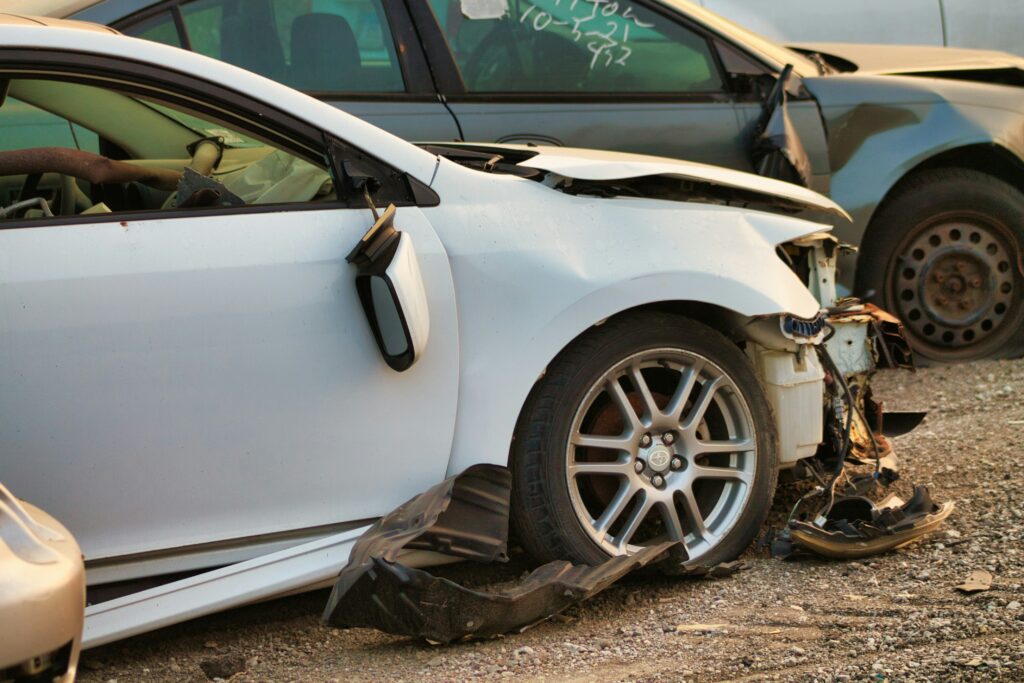
If your vehicle is declared a total loss, the at-fault driver’s insurance company must pay you the actual cash value of your car at the time of the accident.
This is where disputes commonly arise.
Insurance companies use valuation systems that often undervalue vehicles. Their first offer is usually not their best offer. You have the right to challenge that valuation and support a higher number with comparable vehicles.
What About Gap Insurance?
If you financed or leased your vehicle, you may owe more on the loan than the car is worth. In that situation, gap insurance can cover the difference between what the insurance company pays and what you still owe.
What About Personal Property Inside the Car?
Items damaged inside your vehicle, such as phones, laptops, child car seats, or other belongings, may also be covered under the at-fault driver’s property damage coverage.
You need to document everything. Take photos and keep receipts.
Insurance companies will not automatically include these items unless you specifically claim them.
What To Do Immediately After an Accident
• Call 911 and get a police report
• Take photos of all vehicles, damage, and the scene
• Get the other driver’s insurance information
• Do not agree to handle it privately
• Do not accept any settlement without understanding your rights
Why You Need an Attorney with Property Damage Experience
Many people assume property damage claims are straightforward. Insurance companies rely on that assumption.
Adjusters are trained to minimize payouts. They handle claims every day. Most people do not.
That gap in experience costs people money.
At Galarza & Etwaroo, we make sure the insurance company pays what it owes for your vehicle, your rental, and your property.
Our consultations are always free. You pay nothing unless we win.
You got hit. Hit back.
📞 Call us today: 201-266-0024
🌐 www.galarzaetwaroo.com
📍 Elizabeth, NJ | New York, NY
🗣️ Nuestros abogados hablan español